


-

Add: HeBei ShengShi HongBang Cellulose Technology CO.,LTD.
-

Email
13180486930@163.com -

CONTACT US
+86 13180486930



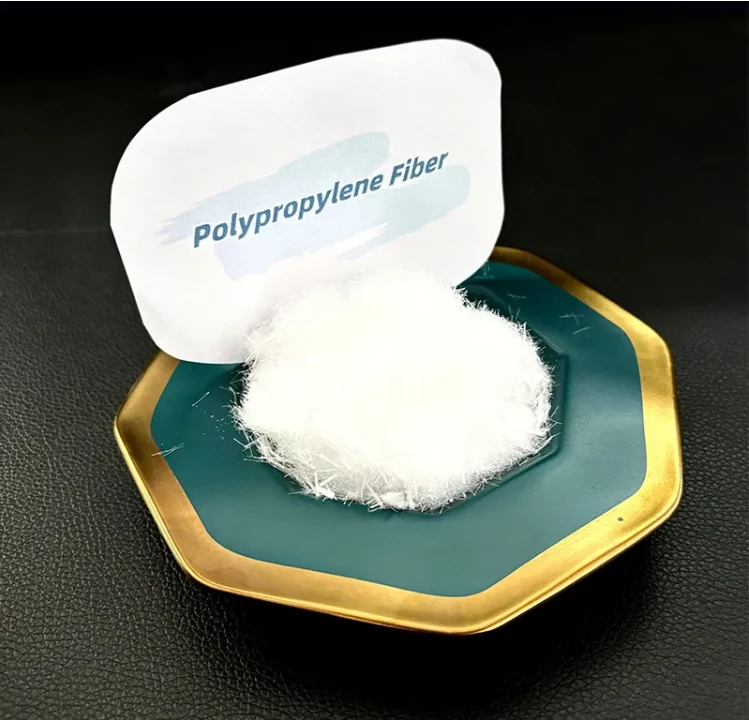
Understanding Polyolefin Fibers Properties, Applications, and Advantages Polyolefin fibers, derived from polyolefin resins, have become an integral part of various industries, ranging from textiles to automotive and construction. Polyolefins, primarily polyethylene (PE) and polypropylene (PP), are polymers characterized by their versatility, lightweight nature, and resistance to chemicals and moisture. This article delves into the properties, applications, and benefits of polyolefin fibers. Properties of Polyolefin Fibers Polyolefin fibers exhibit a range of properties that make them suitable for different applications. One of their most notable characteristics is their resistance to moisture and chemicals. Unlike natural fibers, polyolefin fibers do not absorb water, making them ideal for use in damp environments. This resistance also contributes to their longevity, as they are less prone to mildew and deterioration. Another significant property is their lightweight nature. Compared to other synthetic fibers, polyolefin fibers are less dense, which offers convenience and ease of handling, especially in textile applications. Furthermore, these fibers have excellent thermal stability, remaining effective across a broad temperature range. Their low melting point, however, requires careful handling during processing and manufacturing. Polyolefin fibers are also renowned for their tensile strength and flexibility. These attributes not only enhance their durability but also allow for a variety of weaving and knitting techniques, leading to diverse fabric textures and styles. Additionally, they exhibit colorfastness, which means that dyes and pigments adhere well to the fibers without fading over time—a crucial factor for textile manufacturers. Applications of Polyolefin Fibers The versatility of polyolefin fibers has led to their widespread adoption across various industries. In the textile sector, polyolefin fibers are commonly used to produce non-woven fabrics, geotextiles, and various clothing items. Their moisture-wicking properties make them particularly popular in activewear and athletic apparel, where breathability and comfort are paramount. fibre de polyoléfine In the automotive industry, polyolefin fibers are utilized in interior components such as seating, carpeting, and insulation. Their lightweight nature contributes to overall fuel efficiency, aligning with industry trends toward sustainability. Additionally, the fibers impart excellent sound insulation properties, leading to a quieter ride for passengers. Polyolefin fibers are also gaining traction in the construction sector. Their resistance to moisture and chemicals makes them ideal for applications in roofing, insulation, and protective coverings. Furthermore, the fibers can be incorporated into concrete to improve its tensile strength, durability, and resistance to cracking. Advantages of Polyolefin Fibers The advantages of using polyolefin fibers are numerous and compelling. First and foremost, they offer excellent cost-effectiveness. As one of the most produced synthetic fibers globally, polyolefins are readily available and can be manufactured at a lower cost compared to other materials. Additionally, the sustainability aspect of polyolefin fibers is gaining attention. While traditional plastics pose environmental concerns, the recycling and reuse potential of polyolefins can mitigate some of these issues. Many polyolefin products are now being designed with recyclability in mind, contributing to a more circular economy. Another significant advantage is the low maintenance required for polyolefin-based products. Fabrics made from these fibers are easy to clean, resistant to stains, and retain their original properties even after multiple washes. This reduces the need for harsh cleaning products, further supporting environmental sustainability. In conclusion, polyolefin fibers present a wealth of benefits that cater to various industries, from textiles to automotive and construction. Their unique properties, such as chemical and moisture resistance, lightweight nature, and long-term durability, make them an attractive option for manufacturers looking to innovate and optimize their products. As sustainability continues to gain importance in material selection, the role of polyolefin fibers is likely to expand, paving the way for more eco-friendly and efficient solutions in the future.
- 40000tons

Production
- 20+years

Experience
- 5000+㎡

Acreage

-
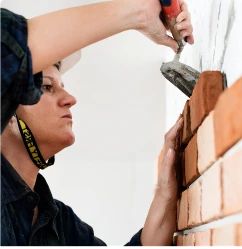
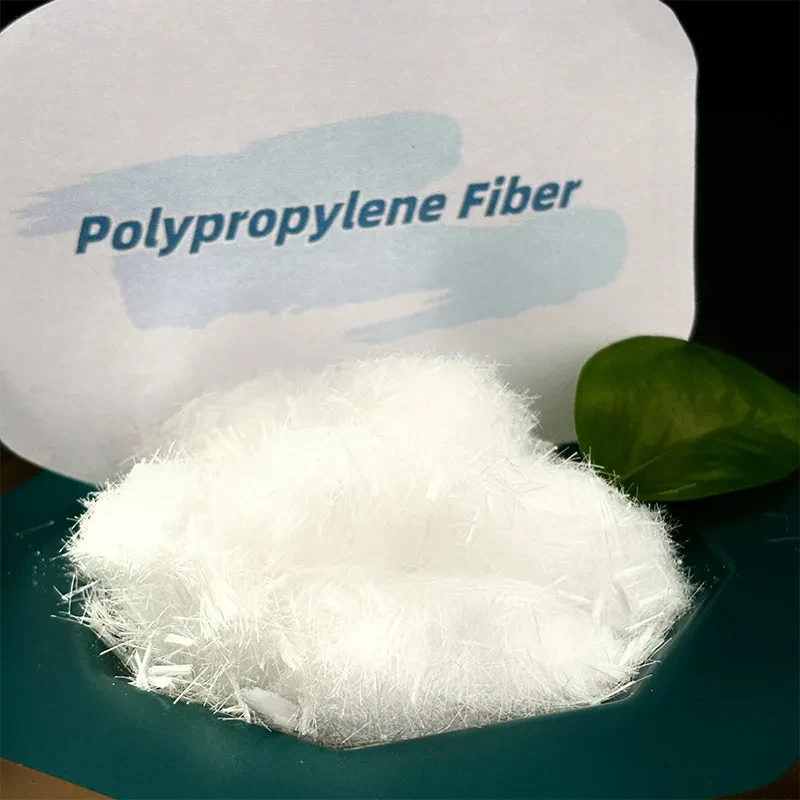
The Impact of Polypropylene Fiber on Concrete Concrete is a widely used construction material, essential for various structures ranging from buildings to bridges. Its properties, including strength and durability, can be enhanced through various additives and reinforcement materials. One such innovation is the incorporation of polypropylene fiber, which has garnered significant attention in the field of civil engineering. This article aims to explore the effects of polypropylene fiber on concrete, focusing on its benefits, mechanisms, and overall impact on structural performance. Polypropylene fibers are synthetic fibers derived from polymer resins. Due to their unique characteristics, including excellent chemical resistance, low density, and strong tensile strength, they are increasingly used as reinforcements in concrete mixtures. The primary role of these fibers is to improve the concrete's mechanical properties, particularly its tensile strength, ductility, and impact resistance. The Impact of Polypropylene Fiber on Concrete In addition to crack resistance, polypropylene fibers also improve the impact resistance of concrete. When subjected to sudden loads or impact forces, concrete can fail catastrophically. The addition of polypropylene fibers enables the concrete to absorb and dissipate energy more effectively, thereby mitigating sudden failures. This is particularly beneficial in applications such as pavements, where heavy traffic loads can lead to material fatigue and eventual failure. epekto ng polypropylene fiber sa kongkreto Moreover, polypropylene fibers enhance the ductility of concrete. Ductility refers to the ability of a material to deform under tension without fracturing. By incorporating these fibers, engineers can design concrete structures that are not only strong but also capable of undergoing significant deformation before failure occurs. This property is especially crucial in seismic areas, where structures must withstand dynamic loads. The mixing process also benefits from the addition of polypropylene fibers. Unlike steel reinforcement, which can corrode and compromise the integrity of concrete, polypropylene fibers are resistant to corrosion. This characteristic is particularly advantageous in harsh environmental conditions, such as exposure to chemicals or moisture. Additionally, the lightweight nature of these fibers does not add significant weight to the concrete mix, making it easier to handle and pour. Despite these advantages, it is essential to consider the appropriate dosage of polypropylene fibers in concrete mixes. Excessive amounts can lead to a reduction in workability, making the concrete difficult to place and finish. Therefore, finding the right balance is crucial to maximize the benefits while ensuring the material remains usable. In conclusion, the incorporation of polypropylene fibers into concrete mixes presents numerous benefits, including enhanced crack resistance, improved impact strength, increased ductility, and durability against environmental factors. These attributes make polypropylene fiber-reinforced concrete an attractive option for various construction applications. As research continues to explore the full potential of polypropylene fibers, it is likely that their usage in the construction industry will expand, leading to safer, more resilient structures. Ultimately, the impact of polypropylene fiber on concrete will contribute to the advancement of modern construction practices, ensuring infrastructure meets the demands of an ever-evolving world.
-
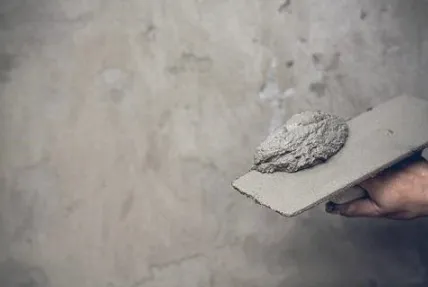
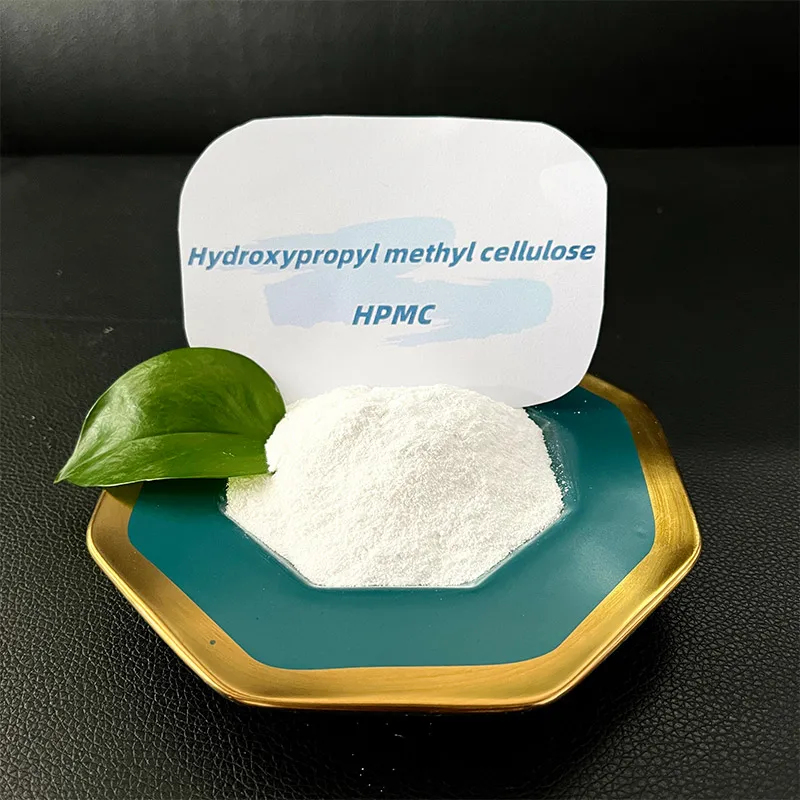
The construction industry constantly evolves to meet demands for better performance, enhanced efficiency, and environmental responsibility. Hydroxypropyl methylcellulose , a leading additive in building materials, not only improves workability and durability but also addresses growing concerns about sustainability. Its role in construction goes beyond improving materials—it sets new standards for quality and innovation. In this article, we’ll examine the sustainability questions surrounding hydroxypropyl methylcellulose , explore its compatibility in formulas, and uncover how it enhances the workability of construction materials like wall putty. Sustainability in the Production and Use of Hydroxypropyl Methylcellulose As global sustainability efforts gain momentum, materials like hydroxypropyl methylcellulose are scrutinized for their environmental impact. Fortunately, hydroxypropyl methylcellulose proves to be an eco-conscious choice in both production and application. Manufactured using cellulose derived from plant fibers, it utilizes renewable raw materials, making it a sustainable option compared to synthetic additives. The production process has also improved significantly over the years, reducing energy consumption and waste. Manufacturers have implemented innovations that lower the carbon footprint associated with hydroxypropyl methylcellulose production. When incorporated into construction materials like wall putty and mortars, hydroxypropyl methylcellulose enhances efficiency by requiring less water while improving adhesion and durability. These properties help reduce material waste during application, aligning with sustainability goals in construction projects. For builders and developers striving for green certifications, sourcing from a trusted hydroxypropylmethylcellulose supplier ensures that the product meets high environmental standards without compromising performance. Compatibility Considerations When Adding Hydroxypropyl Methylcellulose to Formulas The integration of hydroxypropyl methylcellulose into construction material formulas requires careful attention to ensure optimal performance. While it is highly versatile and compatible with a range of ingredients, specific considerations are crucial during formulation. First, pH levels in the mixture play a significant role. Hydroxypropyl methylcellulose performs best in a neutral to slightly alkaline pH environment, ensuring its water-retention and thickening properties are fully utilized. Adding it to highly acidic or basic formulations without adjusting pH levels can reduce its effectiveness. Second, the sequence of addition is critical. When combined with other components like cement or gypsum, hydroxypropyl methylcellulose should be thoroughly mixed with water beforehand. This prevents clumping and ensures even dispersion, leading to consistent performance throughout the material. Builders planning to buy hydroxypropyl methylcellulose should consult product specifications to avoid compatibility issues and achieve optimal results. A reputable supplier will also provide guidance on proper formulation techniques tailored to specific applications. How Hydroxypropyl Methylcellulose Enhances Workability and Operability One of the most celebrated benefits of hydroxypropyl methylcellulose is its ability to improve the workability and operability of construction materials. This additive’s water-retention properties keep mixtures moist for longer periods, providing ample time for application and adjustments. For materials like wall putty, hydroxypropyl methylcellulose ensures a smooth texture and easy application, reducing labor efforts and minimizing the risk of inconsistencies. Its thickening capabilities improve cohesiveness, preventing material sagging or slumping during use. Additionally, hydroxypropyl methylcellulose in wall putty significantly enhances bonding strength, ensuring that applied surfaces remain durable and resistant to cracks over time. Builders can trust that materials containing this additive offer the reliability needed to withstand diverse construction environments. Partner with the Right Hydroxypropylmethylcellulose Supplier for Quality and Expertise To fully unlock the potential of hydroxypropyl methylcellulose , partnering with an experienced hydroxypropylmethylcellulose supplier is essential. We pride ourselves on offering high-quality products that meet the demands of modern construction projects. By sourcing our premium-grade hydroxypropyl methylcellulose , you ensure superior performance, sustainability, and reliability. Our technical team provides expert support, offering tailored advice to maximize the additive's effectiveness in various formulations. Whether you’re producing advanced coatings or formulating durable wall putty, we’re here to help you achieve exceptional results. Builders and manufacturers looking to innovate and lead in the construction industry should buy hydroxypropyl methylcellulose from trusted suppliers like us. Our commitment to quality and customer satisfaction guarantees that every batch meets stringent industry standards. Hydroxypropyl Methylcellulose: A Key to Future-Ready Construction The versatility, efficiency, and sustainability of hydroxypropyl methylcellulose make it an indispensable tool for modern construction projects. Addressing the challenges of compatibility, workability, and environmental impact, it empowers builders and manufacturers to meet the highest standards of quality and performance. Choose hydroxypropyl methylcellulose to elevate your construction projects and contribute to a sustainable future. With expert support from a trusted hydroxypropylmethylcellulose supplier , you gain access to the finest materials and solutions for long-term success. Embrace the innovation and reliability of this remarkable additive, and watch your projects reach new heights of excellence.
advantages
-

200000 Viscosities
Excellent product
We can produce pure products up to 200,000 viscosities
-

40000 tons
High yield
We don’t stop production all year round, and the annual output can reach 40,000 tons
-

24 hours
Quality service
We provide 24-hours online reception service, welcome to consult at any time
———— Inquiry Form
Schedule A services

-
 proveedor_de_hidroxipropilmetilcelulosa
Oct . 25, 2025
Hydroxypropyl methylcellulose solution , commonly abbreviated as HPMC, plays a transformative role i -
 polvo_de_vaina
Oct . 25, 2025
Pentastarch is a frequently utilized colloidal solution that has sparked interest among medical prof -
 macro_synthetic_fiber_price
Oct . 25, 2025
Acrylic fiber, a synthetic fiber made from a polymer called polyacrylonitrile, offers unparalleled v


